

How Much Does a Lab-Grown Diamond Engagement Ring Cost in 2026?
Engagement Ring Buying Guide
How Much Does a Lab-Grown Diamond Engagement Ring Cost in 2026?
A clear, no-markup breakdown of what lab-grown diamond engagement rings actually cost — from entry-level solitaires to 3-carat-plus statement pieces — and what moves the price up or down.
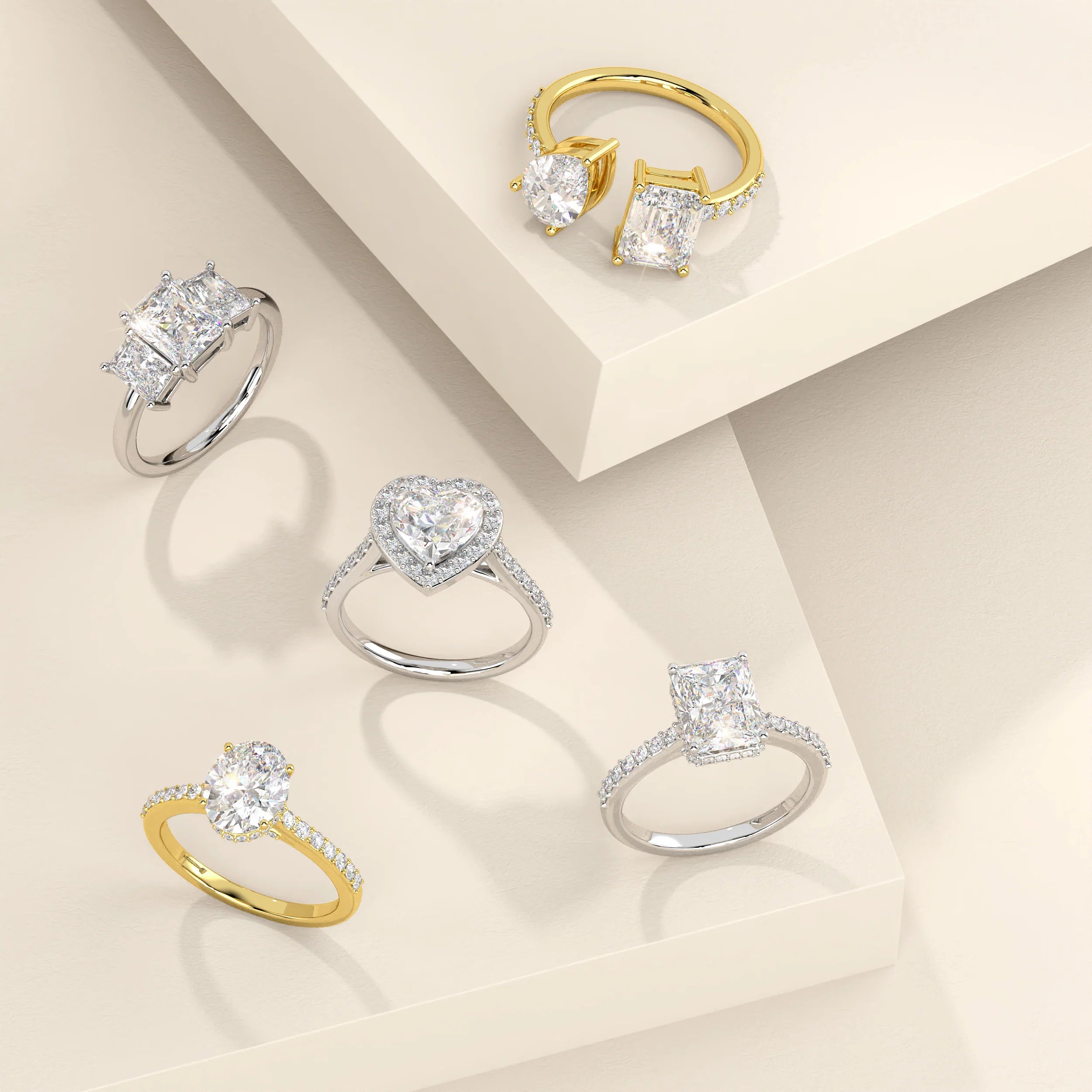
If you've started shopping for an engagement ring, you've probably noticed the same question keeps coming up: how much should this actually cost? Lab-grown diamond pricing doesn't follow the same rules as mined diamonds, so a ring that once demanded a six-figure budget can now be within reach at a fraction of the price. Thanks to lab-grown diamonds, the math has changed completely.
Below, we break down real 2026 pricing for lab-grown diamond engagement rings across carat weights — from just under $1,000 to statement pieces over 3 carats — plus what actually moves the price up or down, and how to choose a stone that looks — and photographs — bigger than its carat weight suggests.
What Drives the Price of a Lab-Grown Diamond Engagement Ring?
Carat weight is only one part of the equation. Two 1-carat diamonds can differ in price by hundreds of dollars depending on cut quality, color grade, clarity, and the metal you set it in. Across STAR JEWELRY's full lab-grown diamond engagement ring range, IGI-certified rings start around $999 for a 1-carat solitaire and run up to roughly $4,495 for the largest, highest-carat statement pieces — meaning most buyers will land somewhere in between depending on carat, cut, and setting.

Key takeaway: Lab-grown diamonds typically run 40–70% less than a natural diamond of the same cut, color, clarity, and carat, which is why buyers can size up without sizing down their budget.
Lab-Grown Diamond Engagement Ring Cost by Carat Weight
Here's a quick-reference range based on real, currently listed IGI-certified rings across STAR JEWELRY's lab-grown diamond engagement ring collection. Actual price within each range depends on cut grade, color, clarity, gold karat, and setting style.
| Carat Weight | Typical Price Range | Best For |
|---|---|---|
| 1.00 ct | $999 – $1,299 | Classic solitaires and halos at an accessible price point |
| 1.25 – 1.50 ct | $1,195 – $1,475 | Noticeably larger without a dramatic jump in cost |
| 2.00 ct | $1,340 – $1,899 | The most requested "statement" carat weight |
| 3.00 ct | $2,325 – $3,635 | Bold center stones for larger hands or fashion-forward styles |
| 4.00 – 5.00 ct | $3,350 – $4,495 | Maximum presence, still far below the cost of a comparable natural diamond |
1-Carat Lab-Grown Diamond Engagement Rings: Real Prices
A 1-carat diamond sits at a sweet spot — substantial enough to catch the light across a room, while keeping the ring firmly attainable. Here's what that looks like in practice with a few real 1-carat lab-grown diamond rings currently available:

IGI Certified 1.00 ct Lab Grown Solitaire Diamond Halo Engagement Ring
A classic halo setting that makes the center stone read visibly larger — a popular pick for buyers who want maximum presence at 1 carat.
From $999.00$1,984.99
View Ring
1.00 Ct IGI Certified CVD Diamond Engagement Ring
A CVD-grown, IGI-certified 1-carat stone in a clean solitaire setting, available in 10K or 14K gold.
From $1,799.00$3,034.99
View Ring
1.00 Ct IGI Certified Lab Grown Diamond Oval Cut Ring Set
An oval-cut lab grown diamond, whose elongated shape tends to look larger per carat than a round brilliant.
From $1,475.00$2,173.99
View RingWant to browse the full range? Explore all lab-grown diamond engagement rings or narrow it down by shape — round, oval, or pear tend to be the most requested at the 1-carat mark.
2-Carat Lab-Grown Diamond Engagement Rings: Real Prices
Two carats used to be the boundary where prices jumped sharply. With lab-grown diamonds, it's a far more reasonable step up — often less than doubling the price of a comparable 1-carat stone rather than quadrupling it, which is how mined-diamond pricing tends to behave as carat weight climbs.

2.00 Ct IGI Certified Lab Grown Diamond Engagement Ring
An IGI-certified 2-carat solitaire in a timeless prong setting — our most requested 2-carat style.
From $1,425.00$2,478.99
View Ring
2.00 Ct IGI Certified CVD Diamond Solitaire Engagement Ring
A CVD-grown 2-carat center stone in a low-profile solitaire, built to wear comfortably every day.
From $1,615.00$2,846.99
View Ring
2.00 Ct IGI Certified Pear Cut Lab Grown Diamond Ring
A pear-shaped diamond's point-forward silhouette makes 2 carats read even larger on the hand.
From $1,695.00$3,034.99
View RingPrefer something with more architecture than a single stone? Our lab-grown engagement ring collection also includes hidden-halo and toi-et-moi settings for 2-carat and larger centers.
3 Carats and Beyond: Luxury Tier Pricing
Once you cross into 3-carat-plus territory, a natural diamond ring can run into six figures. With lab-grown stones, the same visual impact stays firmly within reach:

3.00 Ct IGI Certified Oval Cut White Gold Lab Grown Diamond Ring
A 3-carat oval-cut center stone in white gold — a statement piece that still costs less than a well-cut 1-carat natural diamond.
From $3,635.00$4,097.99
View Ring
5.00 Ct IGI Certified Radiant Cut Lab Grown Diamond Ring
Our largest radiant-cut center stone — the kind of size that would cost well into six figures as a natural, certified diamond.
From $3,735.00$14,064.99
View RingThe 4Cs: Why Two Rings of the Same Carat Can Cost Very Differently
Carat weight tells you the diamond's size — not its quality. Two 1-carat lab-grown diamonds can be priced hundreds of dollars apart because of the other three Cs. Here's what each one means for your ring:
Every lab-grown diamond ring at STAR JEWELRY is IGI-certified, meaning the cut, color, clarity, and carat weight are independently verified rather than taken on faith. If you'd like a deeper walkthrough of how certification works and what grades to actually prioritize, our education library has a full breakdown.
Beyond the 4Cs: Metal, Setting, and Certification
The diamond itself is usually the biggest line item, but three other choices routinely shift the final price by hundreds of dollars:
Gold Karat
Every ring above is available in 10K or 14K gold, and higher karats mean more pure gold by weight — and a higher price. If you're deciding between 10K, 14K, and 18K for durability, color, and cost, our 10K vs. 14K vs. 18K gold guide breaks down exactly what you're paying for at each karat.
Setting Style
Comparing rings at the same carat weight above, a plain solitaire is consistently the least expensive setting, a halo adds a moderate premium for the extra pavé stones and labor, and a hidden-halo or toi-et-moi design sits at the top of the range. A halo can also make a smaller center stone read larger, which is worth factoring in if you're working with a fixed budget.
Certification Lab
STAR JEWELRY certifies its lab-grown diamonds through IGI (International Gemological Institute), the most widely used lab for lab-grown stones. Certification doesn't just confirm authenticity — it's what lets you compare cut, color, and clarity grades across different rings on an apples-to-apples basis.
Lab-Grown vs. Natural: Why the Price Gap Exists
Chemically and optically, a lab-grown diamond is identical to a mined one — same carbon crystal structure, same hardness, same fire. The difference is entirely in how the stone came to exist, and that's what drives the price gap.
| Factor | Natural Diamond | Lab-Grown Diamond |
|---|---|---|
| Origin | Formed over billions of years underground | Grown above ground over weeks using CVD or HPHT |
| Hardness & fire | Identical | Identical |
| Certification | IGI, GIA | IGI, GIA |
| Typical cost at 1–2 ct | Significantly higher | Roughly 40–70% less for the same specs |
| Supply | Limited by geology | Scales with demand |
For most couples, this price gap is exactly why lab-grown has become the default choice for a 1-carat or 2-carat center stone — it frees up budget for a better cut grade, a heavier gold band, or simply a larger stone. If you want the full comparison, including durability and resale considerations, read our guide on lab-grown diamonds vs. natural diamonds. We've also written about whether lab-grown diamonds are ethical and sustainable, a common follow-up question.
Shop by Shape: Which Cut Fits Your Budget?
Shape has a real effect on perceived size and price per carat. Elongated cuts like oval, pear, and marquise tend to look larger than a round brilliant of the same weight, since more of their surface area is visible face-up.
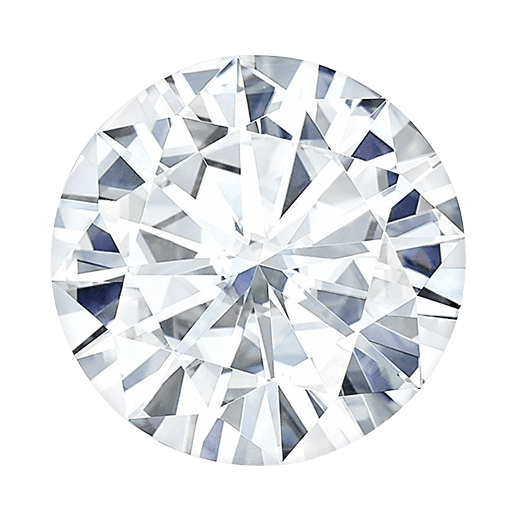
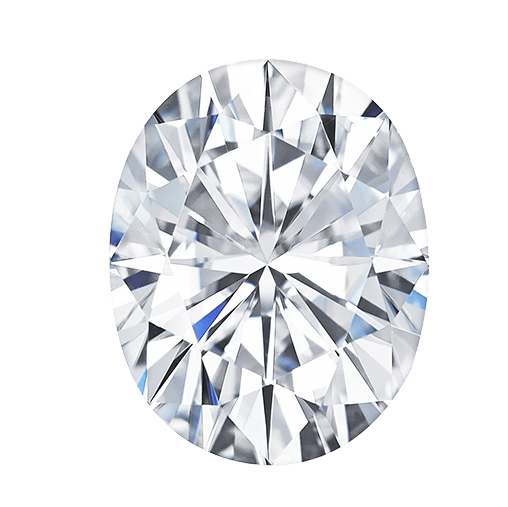
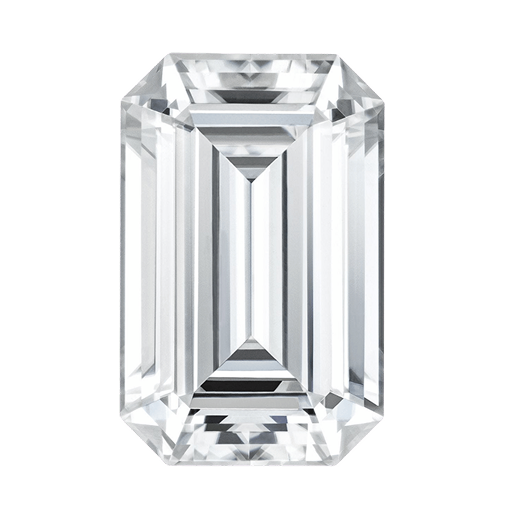
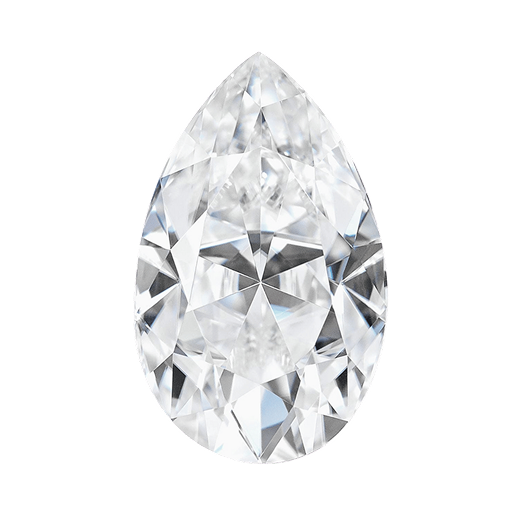
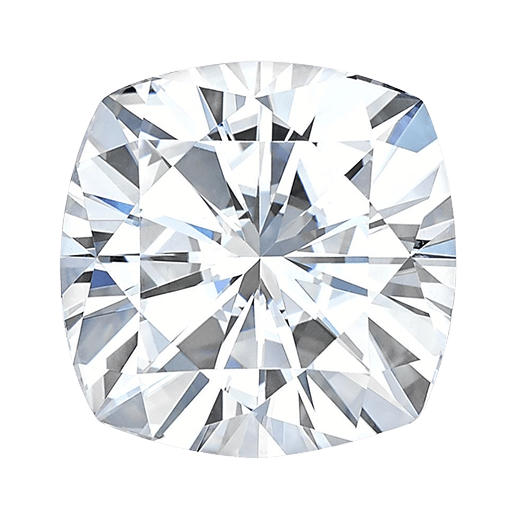
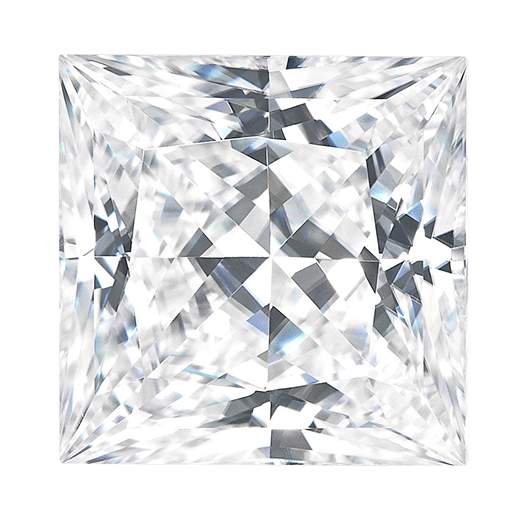
Prefer a single solitaire above everything else? Browse our full range of solitaire engagement rings, or start from the general engagement rings collection and filter by shape and budget. Once you've chosen a ring, most couples pair it with a matching wedding band from the same metal and karat.
Lab-Grown Diamond Engagement Ring Cost: Quick Answers
How much does a lab-grown diamond engagement ring cost on average?
At STAR JEWELRY, IGI-certified lab-grown diamond engagement rings start around $999 for a 1-carat solitaire, with most 1–2 carat rings falling between $1,000 and $2,000. Larger, 3-carat-and-up statement pieces range from roughly $2,300 to $4,500.
Are lab-grown diamonds cheaper than natural diamonds?
Yes. For the same cut, color, clarity, and carat weight, lab-grown diamonds typically cost 40–70% less than natural diamonds, since they're produced in a controlled facility rather than mined. See our full lab-grown vs. natural diamonds comparison for the details.
What's the cheapest way to get a bigger-looking diamond?
Choose an elongated shape — oval, pear, or marquise — over a round brilliant, or add a halo setting. Both increase perceived size without increasing carat weight, which is the single biggest cost driver.
Does the type of gold affect the price?
Yes — 10K gold is the most affordable option, 14K is the most common choice for everyday durability and value, and 18K costs more for its higher purity. Full comparison in our 10K vs. 14K vs. 18K gold guide.

Find Your Lab-Grown Diamond Engagement Ring
Every ring ships with IGI certification, a full price breakdown, and STAR JEWELRY's 3-year complimentary repolishing service.
Shop Lab-Grown Diamond Engagement RingsPrices shown reflect listed pricing at the time of writing and are subject to change; visit each product page for current pricing and gold selection.